

Community Birth is….
Safe
•
Evidence-Based
•
Inclusive
•
Low-Risk
•
Safe • Evidence-Based • Inclusive • Low-Risk •
Midwifery-led providing full spectrum care for families from birth to menopause
An integrated part of the health care system.
Guided by principles of prevention, respect, safety, appropriate medical intervention and cost-effectiveness.
Able to provide immediate emergency measures for parents and babies with trained staff and appropriate emergency equipment.
Midwives and the midwifery model of care offer a holistic, evidence-based approach to pregnancy and birth that centers the needs, preferences, and well-being of the birthing person and their family. Grounded in the understanding that pregnancy and childbirth are normal physiological processes for most people, midwives focus on person-centered care, shared decision-making, and the development of trusting relationships with their clients. This model emphasizes education, informed choice, preventive care, and continuous emotional and physical support throughout pregnancy, birth, and the postpartum period.
Free-standing birth centers are community-based facilities, typically led by midwives, that provide a comfortable, home-like setting for people with low-risk pregnancies. Birth centers follow rigorous screening, monitoring, and safety protocols and maintain clear pathways for consultation or transfer to hospital care when needed. Research consistently shows that care in accredited birth centers is associated with excellent safety outcomes, including lower cesarean birth rates, fewer unnecessary medical interventions, high breastfeeding rates, and strong satisfaction among families, while maintaining outcomes for babies comparable to hospital care for appropriately screened pregnancies.
Home birth, attended by licensed and regulated midwives, is a safe option for many people with low-risk pregnancies. Midwives providing home birth care bring clinical expertise, follow rigorous screening, monitoring, and safety protocols, and maintain clear pathways for consultation or transfer to hospital care when needed. Provide equipment for monitoring maternal and newborn well-being, and emergency preparedness, while supporting birth in a familiar and comfortable environment. Studies show that planned home births with trained midwives can have positive outcomes and high satisfaction, particularly when they occur within health systems that support clear consultation and transfer processes when needed.
Integrating midwives, birth centers, and home birth into the broader health care system is essential for improving maternity care. Midwifery integration—including collaborative relationships with physicians, clear transfer pathways, equitable reimbursement, and supportive policy—helps ensure families can access the right level of care at the right time. Health systems that fully integrate midwives benefit from improved outcomes, lower costs, and a more respectful, person-centered experience for birthing people.
Strengthening the role of midwives and expanding access to midwife-led care—including birth centers and home birth—is a key strategy for advancing safe, high-quality, and equitable maternity care.
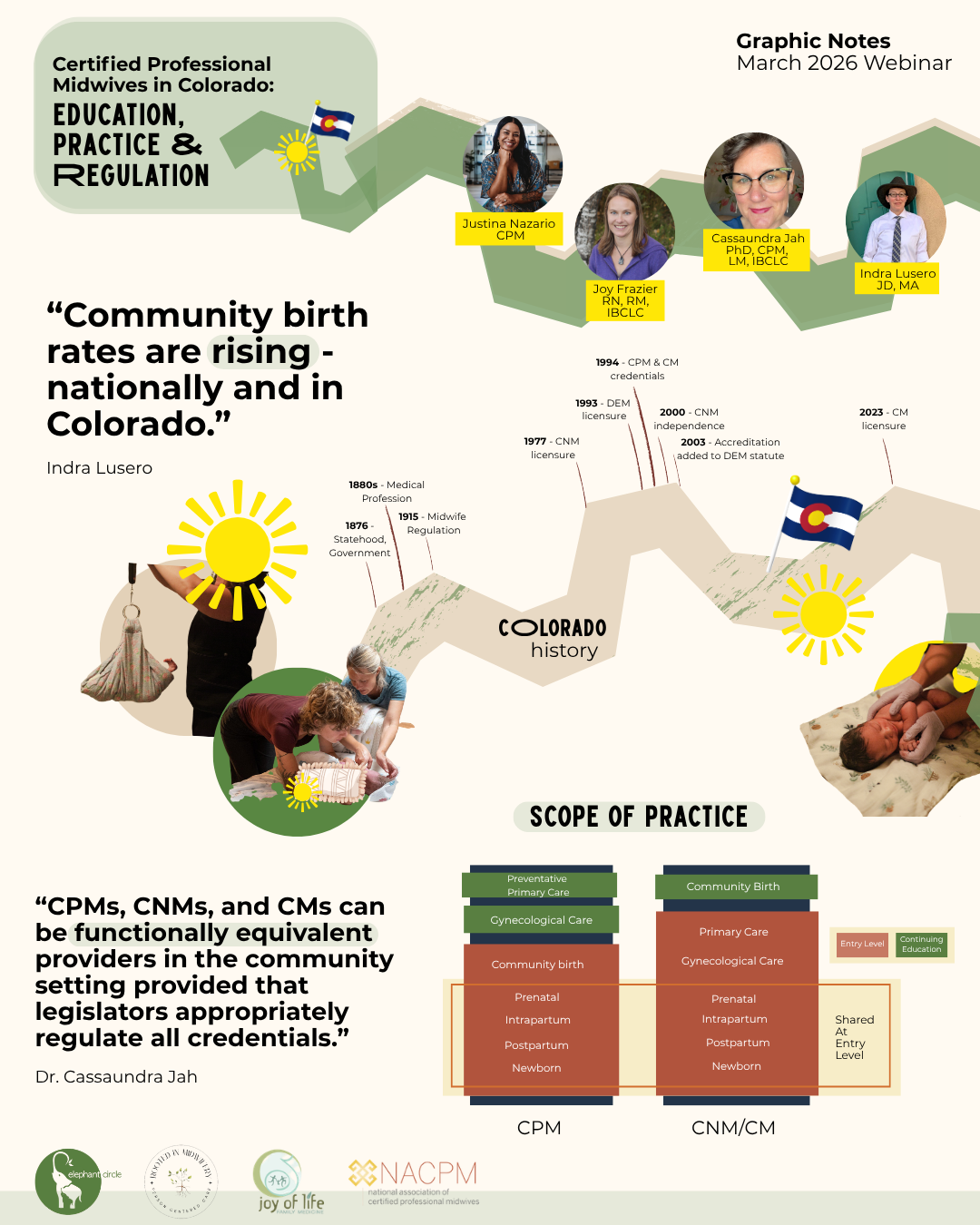
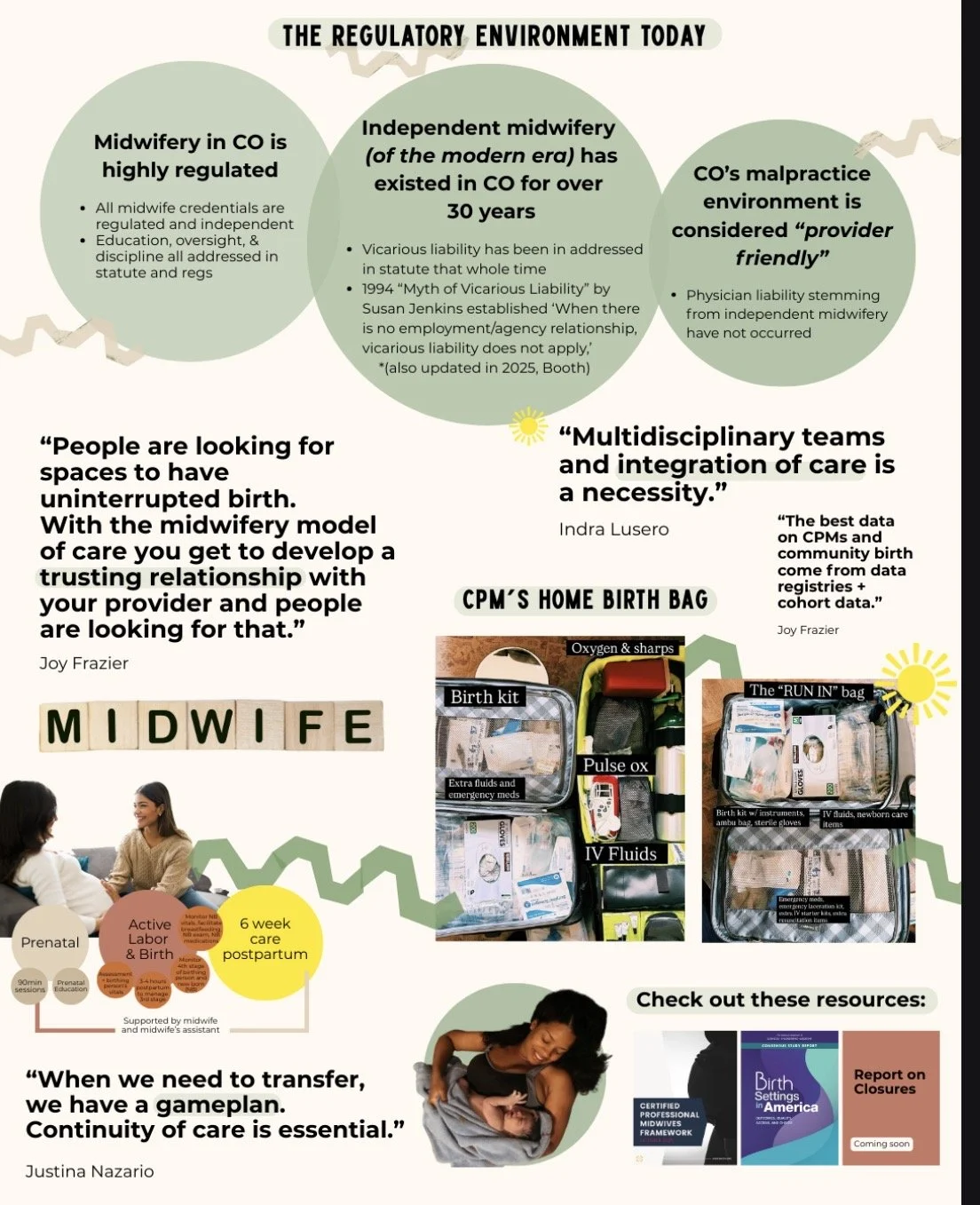
Check out our webinar
Check out our perinatal Clinical Providers
Comparison & Context of Midwives, Doctors, and Nurses


“The midwifery-led birth centers succeeded in providing benefits to families, the health system, and taxpayers by improving a series of fundamental health outcomes relative to usual approaches to maternity care. Given that Medicaid covered 42 percent of the nation’s births in 2018, including 65 percent of Black and 59 percent Hispanic births, advancing this model for lower-medical-risk Medicaid enrollees could have an enormous impact on our nation’s maternal and infant health crises.
— Improving Our Maternity Care Now: Four Care Models Decisionmakers Must Implement for Healthier Moms and Babies